UK Employment Law Is Changing: How Coaching Helps You Navigate the New World of Work
The world of work is changing fast and right now, the UK is seeing some of the most significant updates to employment law in a generation. These reforms are reshaping how organisations hire, manage, support and protect people at work.
For employees, leaders, and business owners, this isn’t just about compliance. It’s about confidence, clarity, and staying in control of your career or business during times of change.
And that’s exactly where coaching becomes powerful.
A New Era for Work in the UK
Employment law is evolving to reflect a more modern, fair and flexible workplace. The focus is on better job security, stronger protections, healthier working practices and clearer employer responsibilities.These changes affect everyday working life from how performance is managed and people are dismissed, to sick pay, family leave and workplace wellbeing.For many people, that can feel overwhelming. Policies change. Expectations shift. Conversations become more complex.
Coaching helps turn that uncertainty into direction.
Why Legal Change Creates Personal and Professional Pressure
When rules change, behaviour has to change too.
Managers worry about “getting it wrong”.
Employees feel unsure about their rights.
Business owners feel exposed to risk.
Teams experience anxiety during restructures or policy updates.
Without support, people often react instead of respond leading to poor communication, low confidence and missed opportunities.Coaching sessions create space to pause, think and act strategically rather than emotionally.
How Coaching Supports Leaders Through Employment Law Change
For leaders and managers, employment law reform means leadership is no longer just operational it’s behavioural and cultural.
In coaching sessions we work on:
✅ Handling performance conversations confidently
✅ Managing change without fear-based leadership
✅ Building fair, transparent processes
✅ Communicating decisions clearly and legally safely
✅ Leading with empathy while maintaining standards
Instead of seeing law as a threat, coaching helps leaders see it as a framework for better leadership.
How Coaching Helps Employees Navigate Their Rights and Careers
For employees, expanded rights bring opportunity but also questions.
People often ask:
What am I entitled to now?
How do I raise issues professionally?
How do I protect my role during change?
How do I plan my career in a shifting market?
In coaching sessions we focus on:
✅ Confidence in communication
✅ Career strategy and positioning
✅ Handling difficult workplace conversations
✅ Understanding boundaries and expectations
✅ Turning legal awareness into professional strength
It’s not about confrontation it’s about control, clarity and growth.
Coaching During Redundancy, Restructure and Policy Change
Legal change often arrives alongside restructuring, new policies and cultural shifts.That’s when people feel most unsettled.
Coaching supports individuals and organisations to:
✅ Stay focused during uncertainty
✅ Prepare for role changes
✅ Navigate redundancy calmly and strategically
✅ Rebuild direction after disruption
✅ Maintain motivation and wellbeing
Instead of reacting to change, coaching helps people lead it.
Turning Compliance Into Culture
Employment law sets the minimum standard.
Coaching builds the mindset above it.
When organisations combine legal awareness with coaching, they move from:
Rules → relationships
Risk → responsibility
Policies → people
That’s how you create a workplace where people feel safe, motivated and aligned not just protected.
Why Coaching Is the Smartest Response to Change
Legal change is unavoidable.
Confusion is optional.
Coaching gives you:
Space to think
Tools to communicate
Confidence to lead
Direction to grow
Whether you’re a leader adapting policies, an employee planning your next move, or a business owner protecting culture and performance, coaching sessions give you clarity when the environment is shifting.
Final Thought
UK employment law is changing but your success as a business doesn’t depend on the law alone. It depends on how you respond to it.
Coaching turns uncertainty into opportunity, and change into momentum.
If you’d like support navigating these changes with confidence, clarity and purpose, Center Point Coaching is here to help so lets have a chat and see where we can help you navigate this change.
Dealing With Setbacks During Job Applications And Why Career Coaching Makes All the Difference
Job searching can feel exciting at first. New possibilities, fresh starts, a chance to build something better.
But then reality kicks in.
You apply for roles you’re perfect for… and hear nothing back.
You get interviews that seem positive… and then rejection emails arrive.
You start questioning your experience, your confidence, even your direction.
If you’ve ever thought, “What am I doing wrong?” you’re not alone.
At Center Point Coaching, we see this every day. And the truth is: setbacks during job applications aren’t a sign of failure they’re part of the process. What matters is how you respond to them.
Why Job Search Setbacks Hurt So Much
Applying for a job isn’t just sending a CV. You’re putting your identity, hopes, and future on the line. So when things don’t work out, it can feel personal.
Common reactions we see include:
Loss of confidence
Overthinking interview answers
Feeling stuck or directionless
Applying for anything “just in case”
Comparing yourself to others on LinkedIn
Fear of making the wrong career move
Without support, people often go into survival mode sending more applications, but with less clarity, less belief, and less strategy.
That’s where career coaching becomes powerful.
How Career Coaching Helps You Handle Rejection Differently
Career coaching isn’t about fixing you because you’re not broken. It’s about helping you see clearly again when emotions and uncertainty get loud.
Here’s how coaching changes the game:
✅ Rebuilding Confidence
After a few knock backs, people stop trusting themselves. Coaching helps you reconnect with your strengths, experience and value so you stop shrinking in interviews and start showing up with presence.
✅ Creating Direction
Many people apply without clarity. A coach helps you define what you actually want, rather than chasing roles that don’t really fit you.
✅ Improving Your Strategy
Sometimes it’s not you it’s your CV, story, positioning, or interview structure. Coaching identifies what’s holding you back and sharpens your approach.
✅ Emotional Support During Uncertainty
Job searching is lonely. Coaching gives you a space to talk openly, reset your mindset, and stop carrying everything alone.
✅ Turning Setbacks Into Feedback
Instead of rejection meaning “I’m not good enough”, coaching reframes it into learning:
What worked?
What didn’t?
What can we improve next time?
That shift alone changes everything.
The Hidden Cost of Going Alone
Without guidance, people often:
Stay stuck in careers they’ve outgrown
Accept roles that don’t excite them
Lose confidence over time
Burn out before they even get hired
Career coaching speeds up clarity and protects your wellbeing while you move forward.
At Center Point Coaching, we don’t just help you get a job we help you build direction, belief, and momentum so your next move actually makes sense for your life.
You Don’t Have To Face Setbacks Alone
Setbacks are normal. Staying stuck is optional.
If your job search feels frustrating, confusing, or emotionally draining, coaching can give you back control, confidence and purpose.
Your career isn’t just about employment it’s about alignment, growth and meaning.And sometimes, all it takes is the right conversation to find your center point again.
Ready to Move Forward?
If you’re dealing with job application setbacks and want clarity, confidence and direction, I’d love to support you.
👉 Visit Center Point Coaching and book a conversation today.
Your next chapter starts with a decision.
The Powerful Link Between Mental Wellbeing and Coaching
In today’s fast paced, always-on world, mental wellbeing is no longer a “nice to have” it is essential. More people than ever are feeling overwhelmed, stuck, anxious, or disconnected from a sense of purpose. This is where coaching plays a powerful and often misunderstood role.
While coaching is not therapy, the correlation between mental wellbeing and coaching is undeniable. At its core, effective coaching creates the conditions for clarity, confidence, emotional resilience, and sustainable change all key pillars of mental wellbeing.
Mental Wellbeing: More Than Just “Feeling Fine”
Mental wellbeing isn’t simply the absence of stress or mental health challenges. It’s about how we think, feel, and function day to day. It includes:
Emotional regulation.
Self awareness
Confidence and self belief
A sense of direction and meaning
The ability to manage pressure and change
When these areas are compromised, people often feel stuck, reactive, or disconnected even if everything looks “fine” on the outside.
How Coaching Directly Supports Mental Wellbeing
Coaching provides a structured, supportive space where individuals can pause, reflect, and reset. This alone has a profound impact on mental wellbeing.
1. Creating clarity reduces mental overload
Many clients come to coaching with racing thoughts and competing priorities. Coaching helps untangle this mental noise, creating clarity around what truly matters. When the mind is clearer, stress reduces and focus improves.
2. Self-awareness leads to emotional resilience
Through powerful questioning and reflection, coaching increases self awareness. Clients begin to recognise patterns, triggers, and limiting beliefs. This awareness gives them choice and choice is empowering. Emotional resilience grows when people feel more in control of their responses.
3. Confidence and self-trust are rebuilt
Low confidence is closely linked to poor mental wellbeing. Coaching helps clients reconnect with their strengths, values, and capabilities. Over time, they move from self doubt to self trust, which has a lasting positive impact on how they feel and show up in their lives.
4. Purpose improves psychological wellbeing
Feeling directionless is mentally exhausting. Coaching helps individuals define meaningful goals and align their actions with their values. Having a sense of purpose is one of the strongest contributors to long term mental wellbeing.
Coaching as a Preventative Wellbeing Tool
One of the most powerful aspects of coaching is its preventative nature. Rather than waiting for burnout, anxiety, or disengagement to take hold, coaching supports people before they reach crisis point.
In workplaces, coaching is increasingly recognised as a proactive wellbeing strategy improving engagement, reducing stress, and supporting healthier leadership behaviours. On a personal level, it helps individuals navigate change, transitions, and uncertainty with greater stability and confidence.
Coaching and Mental Health: Knowing the Boundary
It’s important to be clear: coaching does not replace therapy or clinical mental health support. However, coaching complements mental health care exceptionally well.
Where therapy often focuses on healing the past, coaching is future focused. It helps people move forward with intention, apply insights, and build practical strategies for everyday life. Many clients find that coaching enhances their overall mental wellbeing by translating awareness into action.
A Safe Space to Be Heard
At its heart, coaching offers something many people lack: a non-judgemental space to be heard, understood, and supported. Being listened to truly listened to has a profound calming effect on the nervous system and emotional state.
When people feel heard, they feel valued. When they feel valued, their mental wellbeing improves.
Final Thoughts
The correlation between mental wellbeing and coaching is clear. Coaching supports clarity, confidence, resilience, and purpose all essential ingredients for a healthy mind.
In a world that constantly demands more, coaching provides the space to slow down, refocus, and move forward with intention. It’s not just about achieving goals; it’s about feeling better while doing so.
If mental wellbeing matters and it does coaching is not a luxury. It’s a powerful investment in a healthier, more aligned life.
If this resonates with ou and you would like to talk further please contact me:

When the "Family" Lets You Go: Finding Your Way After Redundancy
We’ve all heard it during meetings or during the annual reviews: “We’re not just a team; we’re a family.”
When you’ve spent years pouring your heart, soul, and late night caffeine into a company, you start to believe it. You share the highs, weather the lows, and build deep bonds with the people at the next desk (or teams screen).
But then, the meeting invite appears to attend a meeting. The script is read. The "family" has made a "business decision." And suddenly, you’re standing on the outside looking in, wondering how a place that felt like home could suddenly feel like a cold transaction.
If you’re reeling from redundancy right now, I want you to know two things: Your feelings of betrayal are valid, and this might be the most important wake up call of your career.
The "Work as Family" Myth
The metaphor of a company as family is powerful because it encourages loyalty, sacrifice, and belonging. But it’s a lopsided deal. Families are (ideally) unconditional; businesses are inherently conditional.
When redundancy happens, the "family" mask slips. It’s painful, yes, but it’s also liberating. It breaks the spell of "this is the only place I belong" and allows you to see the professional world for what it actually is: a marketplace of opportunities where you are the most valuable asset.
Shifting Your Perspective: From Loss to Leverage
As a coach, I see this transition often. The first few weeks are about grieving the routine and the relationships. But the real magic happens when we shift the focus from what was taken away to what has been set free.
Reclaiming Your Identity: You are not your job title. You are a collection of skills, values, and experiences that exist independently of any payroll.
The "Stay" Inertia: Many of us stay in roles long after we’ve stopped growing because the "family" makes us feel safe. Redundancy removes that inertia for you.
Auditing Your Desires: When was the last time you asked yourself, "What do I actually want?" without filtering it through the needs of your current employer?
How to Start Navigating the "Next"
If you’re ready to stop looking in the rearview mirror, here are three coaching-led steps to begin your next chapter:
Audit Your Values: Write down the five things that matter most to you now (e.g., flexibility, creativity, autonomy). Does your old "family" actually align with these, or were you compromising to fit in?
Inventory Your Portable Skills: Strip away the company specific jargon. What do you do better than anyone else? These are your tools, and they belong to you, not the company.
Explore the "What Ifs": Give yourself permission to dream about the industries or roles you dismissed because you were "settled." The door is open; where does the light look brightest?
The Horizon is Wider Than You Think
Redundancy feels like a full stop, but in the grand narrative of your career, it’s usually a comma. It’s the moment you realize that while you loved the people, the structure was holding you back from a version of yourself you haven’t met yet.
You aren't just looking for a new job; you're reclaiming your agency. And that is a very exciting place to be.
Are you struggling to see the possibilities through the fog of redundancy?
lets have a chat be it in person or online !
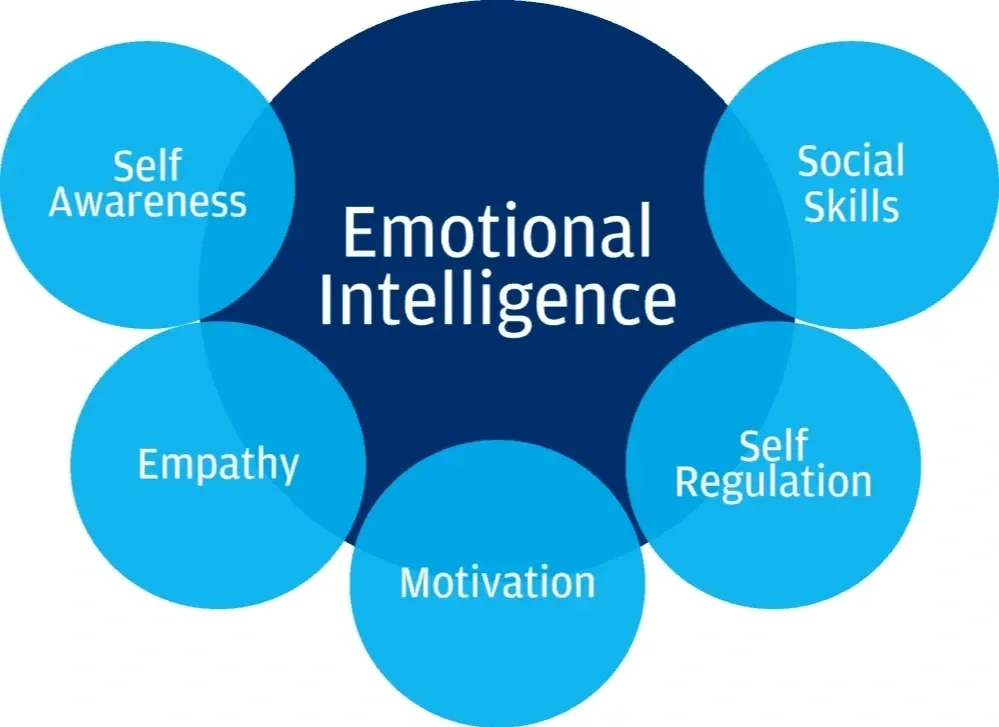
Unlocking Leadership Potential: The Transformative Power of Coaching.
In today’s fast paced and ever evolving business landscape, the role of a leader is more demanding than ever. Modern leadership isn’t just about making decisions or driving results; it’s about understanding people, fostering a positive culture, and navigating the complexities of team dynamics. This is where leadership coaching comes into play, offering a powerful tool for leaders to enhance their skills and drive their organisations to success.
Enhanced Self Awareness & Emotional Intelligence
At the heart of effective leadership lies emotional intelligence (EQ). Coaching provides a unique reflective space for leaders to identify their blind spots and gain a deeper understanding of their impact on organisational culture and team dynamics. By developing greater self awareness, leaders can cultivate a more inclusive and motivated workplace, ultimately leading to improved performance and satisfaction.
Accelerated Decision Making
In volatile markets, the ability to make quick, informed decisions is crucial. Leadership coaching offers executives the opportunity to stress test strategies in a confidential environment. This collaborative process enables leaders to explore various scenarios, refine their approaches, and make faster, more confident pivots when necessary. The result? A more agile organisation that can adapt to change with ease.
Improved Talent Retention
One of the most significant challenges faced by leaders today is talent retention. Coaching equips leaders with the skills to mentor and develop their teams effectively. This “trickle down” effect of engagement fosters a sense of belonging and purpose among employees, significantly reducing turnover costs and ensuring a stable, high performing workforce.
Sustainable Performance
Executive burnout is a common issue that can derail even the most successful leaders. Coaching helps prevent this by establishing sustainable high performance habits. By prioritising well being and work-life balance, leaders can maintain their energy and focus, ensuring long-term institutional stability and continued success.
Objective Perspective
A coach serves as a neutral sounding board, offering unbiased feedback that is often unavailable from internal stakeholders or board members. This objective perspective is invaluable for leaders seeking to grow and improve, providing insights and guidance that can lead to transformative change.
In conclusion, investing in leadership coaching is no longer an elective; it is a critical commitment to an organisation’s future. By enhancing self awareness, accelerating decision making, improving talent retention, ensuring sustainable performance, and offering an objective perspective, coaching empowers leaders to elevate their performance and drive their organisations to new heights.
Ready to elevate your leadership?
Let’s have a chat and see where Center point can help!

Coaching at Work: Is Voluntary Coaching Better Than Manager Led Coaching?
Coaching in the workplace is becoming an essential tool for personal development, leadership growth, and career progression. A common question many professionals ask is whether voluntary coaching is more effective than manager led coaching.
Both approaches can be highly successful. The real difference lies not in how coaching begins, but in how it is embraced.
What Is Voluntary Coaching?
Voluntary coaching happens when an individual actively chooses to work with a coach. This is often driven by a desire for clarity, confidence, career direction, or personal growth.
Benefits of voluntary coaching include:
Strong personal motivation and accountability
Greater openness during coaching sessions
Faster progress toward personal and career goals
People who seek coaching voluntarily are often navigating career transitions, leadership challenges, or feelings of being stuck and uncertain.
What Is Manager Led Coaching?
Manager led coaching occurs when a manager or organisation recommends coaching. This is often part of leadership development, succession planning, or organisational change.
Common reasons managers put employees forward for coaching include:
Recognising leadership potential
Supporting someone stepping into a new role
Improving confidence, communication, or performance
While manager led coaching can initially feel uncomfortable, it often leads to powerful personal insight and long term professional growth.
Which Type of Coaching Is More Effective?
The effectiveness of coaching does not depend on whether it was voluntary or manager led. What matters most is engagement.
Coaching works best when individuals:
Take ownership of their development
Are open to reflection and feedback
Commit to taking action between sessions
Even if coaching begins as a recommendation, the moment someone decides to fully engage, the coaching becomes transformational.
Coaching That Creates Lasting Change
Whether you choose coaching yourself or are encouraged by your manager, coaching provides a confidential space to gain clarity, build confidence, and create meaningful progress.
When approached with commitment and curiosity, coaching becomes one of the most valuable investments you can make in your career and personal development.
Robert

From Feeling Stuck to Stepping Into Creativity: A Career Coaching Success Story
One of the most rewarding parts of career coaching is witnessing the moment when clarity replaces confusion. Recently, I had the privilege of completing a career coaching journey with a 29 year old client who came to me feeling deeply stuck, uncertain, and disconnected from their working life.
At the start of our work together, they were in a traditional 9–5 role that looked “fine” on paper but felt completely misaligned in reality. They knew something wasn’t right, yet they had no clear direction, no confidence in what else might be possible, and no idea how to move forward without risking everything they had already built. Like many people at this stage of life, they felt pressure to have it all figured out while quietly feeling lost.
Through our coaching sessions, we didn’t focus on quick fixes or telling them what they should do. Instead, we created space for exploration, reflection, and honest discovery. Together, we uncovered their natural creativity, their love of visual storytelling, and their desire to work in an environment that felt energising rather than draining. Importantly, every breakthrough came from their own insights and my role was to guide the process, challenge assumptions, and help them trust what they were discovering about themselves.
As their confidence grew, so did their clarity. They began to see that their skills were transferable and that a creative career wasn’t unrealistic or out of reach. Step by step, they moved from uncertainty into purposeful action.
The outcome? They successfully transitioned into a creative role within an advertising company, working closely with an Art Director. This new position not only aligns with who they are, but also offers exciting long term career possibilities in an industry they once believed was closed to them. Most importantly, they now feel engaged, motivated, and confident in the direction they are heading.
This journey is a powerful reminder that being “stuck” is not a failure it’s often the starting point of meaningful change. With the right support, space for self discovery, and the courage to listen inwardly, clarity emerges and opportunities follow.
Career coaching doesn’t give you the answers it helps you uncover your own. And when that happens, real and lasting change becomes possible.
If you’re feeling stuck, questioning your direction, or wondering if there’s more out there for you, this could be the beginning of your own transformation.
Robert
Career coaching, a luxury ?
In a world of constant change, shifting job markets, and increasing pressure to “figure it all out,” career decisions can feel overwhelming. Whether you’re navigating redundancy, considering a career pivot, stepping into leadership, or simply feeling stuck, career coaching has become one of the most powerful tools for creating clarity, confidence, and direction.
Career coaching isn’t about being told what to do. It’s about creating space to think clearly, challenge assumptions, and reconnect with what genuinely matters to you.
When Career Progression Becomes Unclear
Many professionals reach a point where their career no longer fits the life they want to live. This can show up as:
A lack of motivation or confidence at work
Feeling underutilised or stuck despite experience
Uncertainty after redundancy or organisational change
Stepping into leadership without the tools or confidence to thrive
Knowing you want “more” but not knowing what that looks like
Career coaching helps turn these moments of uncertainty into opportunities for growth.
What Career Coaching Really Delivers
At its core, career coaching provides clarity and direction. Together, we explore:
Your strengths, values, and drivers
What success truly means to you
Where you want your career and life to go next
The beliefs or habits that may be holding you back
From there, we create a realistic, achievable plan that aligns your career with your personal goals not someone else’s expectations.
Coaching for Individuals and Businesses
Career coaching isn’t just for individuals. Businesses that invest in coaching benefit from more engaged, confident, and resilient teams. Coaching supports:
Leadership development and confidence
Improved decision making and communication
Career progression and retention
Stronger alignment between people and organisational goals
When individuals grow, businesses perform better.
A Practical, Human Approach
My coaching approach is practical, supportive, and grounded in real world experience. I work with individuals and organisations to create measurable progress, not vague motivation. Sessions are focused, honest, and designed to move you forward with confidence and purpose.
This isn’t about quick fixes. It’s about sustainable change.
Your Career, Your Direction
You don’t need to have all the answers before starting coaching that’s what the process is for. What you do need is the willingness to pause, reflect, and invest in yourself.
if you’re ready to gain clarity, build confidence, and create a career that works for your life, career coaching could be the turning point you’ve been looking for.
👉 If you’d like to explore career coaching or discuss how it could support you or your business, get in touch today.
Redundancy: An Ending, a Pause, or a New Beginning?
Redundancy is one of the most destabilising experiences in a professional career. Regardless of seniority, performance, or tenure, being told that your role no longer exists can feel deeply personal even when it clearly is not. Alongside the practical concerns about income and security, redundancy often triggers a loss of identity, confidence, and direction.
For many, work is not just what we do; it is how we define ourselves.
The Emotional Impact of Redundancy
Redundancy frequently brings a complex mix of emotions: shock, anger, anxiety, grief, and even shame. These reactions are normal, yet they are rarely discussed openly in professional environments. People are often expected to “move on quickly” and focus on the next role, without first processing what has actually happened.
Ignoring the emotional impact can stall recovery. Confidence drops. Decision making becomes reactive rather than intentional. People rush into the next role out of fear, rather than clarity.
When Structure Disappears
Work provides structure, routine, and a sense of progress. Redundancy removes that overnight. Days that were once full of meetings, deadlines, and goals suddenly feel unanchored. This lack of structure can quickly erode motivation and self belief.
This is where many people get stuck not because they lack capability, but because they lack perspective and direction.
Redundancy as a Career Inflection Point
While redundancy is rarely welcomed, it often creates a rare pause one that most careers never naturally allow. It can become an inflection point: a moment to reassess what you want, what you are good at, and what you no longer want to tolerate in your working life.
Handled well, redundancy can lead to:
Clearer career alignment
Stronger boundaries and values
More confident leadership
A role that fits, rather than drains
Handled poorly, it can lead to repeated patterns, diminished confidence, and roles chosen out of urgency rather than intent.
How Coaching Supports This Transition
Coaching during redundancy is not about polishing a CV alone. It is about stabilising mindset, rebuilding confidence, and creating a forward strategy that is grounded rather than reactive.
Effective coaching helps individuals to:
Process the emotional impact without getting stuck in it
Reframe redundancy from rejection to redirection
Identify transferable strengths and leadership value
Make strategic career decisions with clarity and confidence
Show up powerfully in interviews and networking conversations
Most importantly, coaching restores agency at a time when people feel it has been taken away.
Moving Forward With Intention
Redundancy can either define you or refine you. The difference lies in how much support, reflection, and intention you bring to the transition.
If you are facing redundancy, know this: your role may have ended, but your value has not. With the right support and perspective, this moment can become the start of a more aligned, confident, and sustainable chapter in your career.
Redefine Success
It All Begins Here
Confidence doesn’t always arrive with a bold entrance. Sometimes, it builds quietly, step by step, as we show up for ourselves day after day. It grows when we choose to try, even when we’re unsure of the outcome. Every time you take action despite self doubt, you reinforce the belief that you’re capable. Confidence isn’t about having all the answers it’s about trusting that you can figure it out along the way.
The key to making things happen isn’t waiting for the perfect moment; it’s starting with what you have, where you are. Big goals can feel overwhelming when viewed all at once, but momentum builds through small, consistent action. Whether you’re working toward a personal milestone or a professional dream, progress comes from showing up not perfectly, but persistently. Action creates clarity, and over time, those steps forward add up to something real.
You don’t need to be fearless to reach your goals, you just need to be willing. Willing to try, willing to learn, and willing to believe that you’re capable of more than you know. The road may not always be smooth, but growth rarely is. What matters most is that you keep going, keep learning, and keep believing in the version of yourself you’re becoming.
Robert
Turn Intention Into Action
It All Begins Here
Confidence doesn’t always arrive with a bold entrance. Sometimes, it builds quietly, step by step, as we show up for ourselves day after day. It grows when we choose to try, even when we’re unsure of the outcome. Every time you take action despite self doubt, you reinforce the belief that you’re capable. Confidence isn’t about having all the answers it’s about trusting that you can figure it out along the way.
The key to making things happen isn’t waiting for the perfect moment; it’s starting with what you have, where you are. Big goals can feel overwhelming when viewed all at once, but momentum builds through small, consistent action. Whether you’re working toward a personal milestone or a professional dream, progress comes from showing up not perfectly, but persistently. Action creates clarity, and over time, those steps forward add up to something real.
You don’t need to be fearless to reach your goals, you just need to be willing. Willing to try, willing to learn, and willing to believe that you’re capable of more than you know. The road may not always be smooth, but growth rarely is. What matters most is that you keep going, keep learning, and keep believing in the version of yourself you’re becoming.
Robert
Make Room for Growth
It All Begins Here
Confidence doesn’t always arrive with a bold entrance. Sometimes, it builds quietly, step by step, as we show up for ourselves day after day. It grows when we choose to try, even when we’re unsure of the outcome. Every time you take action despite self-doubt, you reinforce the belief that you’re capable. Confidence isn’t about having all the answers it’s about trusting that you can figure it out along the way.
The key to making things happen isn’t waiting for the perfect moment; it’s starting with what you have, where you are. Big goals can feel overwhelming when viewed all at once, but momentum builds through small, consistent action. Whether you’re working toward a personal milestone or a professional dream, progress comes from showing up not perfectly, but persistently. Action creates clarity, and over time, those steps forward add up to something real.
You don’t need to be fearless to reach your goals, you just need to be willing. Willing to try, willing to learn, and willing to believe that you’re capable of more than you know. The road may not always be smooth, but growth rarely is. What matters most is that you keep going, keep learning, and keep believing in the version of yourself you’re becoming.
Robert